Willesden Green Brent sofa cleaning before and after case study
Posted on 10/10/2026

If you have ever looked at a tired sofa and thought, "It was never this dull when we bought it," you are in the right place. This Willesden Green Brent sofa cleaning before and after case study is for anyone who wants to understand what professional upholstery cleaning can realistically change, what it cannot change, and how to judge whether a clean is worth doing. In a busy area like Willesden Green, sofas take a beating from everyday life: rain-soaked coats, takeaway crumbs, pet hair, bus dust drifting in from the road, the lot.
Rather than giving you vague promises, this article walks through the cleaning process in plain English. You will see how the results are assessed, what affects the final finish, common mistakes to avoid, and when sofa cleaning is the smarter move compared with replacement. If you are weighing up a refresh for your own home, this should help you make a calm, informed decision. Truth be told, that is half the battle.
Why Willesden Green Brent sofa cleaning before and after case study Matters
People often search for sofa cleaning because they want one thing: proof. Not theory, not marketing fluff, just a before-and-after that shows whether the fabric actually looks better at the end. That is why a case study format works so well. It shows the real-world transformation, along with the limits. A sofa clean can brighten fibres, lift body oils, reduce odour, and remove everyday grime, but it will not magically reverse wear, fading, or damage from years of use.
In Willesden Green and the wider Brent area, homes are often multi-use spaces. A sofa might be the family seat, the laptop desk, the snack table, and the place the dog has claimed as its own. So when people ask whether upholstery cleaning is worth it, they are usually asking a practical question: can this sofa be saved without spending a fortune on replacing it? That is the real value of a before-and-after case study. It helps you judge value, not just appearance.
There is also a trust element. A good result should look cleaner, smell fresher, and feel less sticky or heavy to the touch, but it should still look natural. Over-cleaned upholstery can sometimes look patchy or over-wet, which is nobody's idea of a win. A proper case study gives a balanced view and sets expectations honestly.
Expert summary: the best sofa cleaning results are usually the ones that look obvious in person but still believable in the photos. Clean, refreshed, not artificially brightened. That is the standard to aim for.
How Willesden Green Brent sofa cleaning before and after case study Works
The process starts long before any cleaning solution touches the fabric. A technician normally begins with a fabric check, stain inspection, and colour-fastness test on a small hidden area. That sounds cautious, and it is. Different sofas react differently depending on whether they are cotton, synthetic, microfibre, velvet, linen blend, or a mixed upholstery fabric. One method does not suit all.
After inspection, loose debris is removed using thorough vacuuming and careful agitation where needed. This step matters more than people think. Dry dust, crumbs, and pet hair can get in the way of deep cleaning and make a finished sofa look less even. Then the appropriate cleaning approach is chosen, often either hot water extraction, low-moisture cleaning, or specialist fabric treatment depending on the material and condition.
In simple terms, the cleaner applies the right solution, works it into the fibres, and extracts soil and residue. Areas with heavy traffic, arm rests, and head contact usually need more attention because that is where body oils and general soiling build up first. You can often see the difference most clearly on those spots. The arm is no longer grey-brown; the back cushion does not look flat and tired. Small thing, but it changes the whole room.
Drying is part of the process too. A sofa should not be left soggy. In good conditions, a cleaned sofa should be left ventilated and protected from immediate use until it is dry enough to sit on comfortably. Depending on fabric, ventilation, and room temperature, drying can vary. On a damp London day, that can be the longest part of the job. To be fair, British weather rarely helps.
Key Benefits and Practical Advantages
The most obvious benefit is visual improvement, but the practical upside goes beyond looks. A professionally cleaned sofa can make the whole room feel lighter and more cared for. That matters if you work from home, host guests, or simply want your living room to feel pleasant again after months of everyday wear.
- Better appearance: colour looks more even, shadows from soiling reduce, and the fabric often regains a fresher finish.
- Odour reduction: everyday smells from pets, food, and general use are often noticeably reduced.
- Improved comfort: fibres can feel softer and less grimy when residue is removed properly.
- Longer fabric life: routine cleaning helps prevent dirt from grinding into the upholstery over time.
- Better presentation: useful before moving, after renting, before guests arrive, or ahead of a property sale.
There is also a financial angle, though it should be handled sensibly. Cleaning is usually far less disruptive and far less expensive than replacing a sofa, especially if the frame and cushions are still in good condition. If the upholstery itself is salvageable, cleaning can stretch the life of the furniture in a very practical way.
And let's not ignore the emotional side. A cleaner sofa can genuinely make a room feel less cluttered and less stressful. You sit down, notice the fabric looks right again, and that small sense of order has a bigger effect than people expect. A little less visual noise. A little more calm.
Who This Is For and When It Makes Sense
This kind of sofa cleaning case study is useful for several groups. First, homeowners who know the sofa is not ruined but can see it needs help. Second, tenants preparing for an end of tenancy clean, because a well-kept sofa in a furnished property can make a strong impression. Third, landlords and letting agents who want to present a property properly between occupants. And fourth, families with children, pets, or regular visitors, where everyday use leaves the fabric looking tired before you realise it.
It also makes sense if you are dealing with a specific issue, such as spilled drinks, food marks, pet odours, or general dullness on high-contact areas. You do not need a disaster to justify a clean. In fact, waiting until a sofa looks badly neglected can make the job harder and the results less even.
If your sofa has structural damage, torn fabric, permanent dye transfer, or severe sun fading, cleaning may still help with freshness but not with cosmetic restoration. That is an important distinction. A professional should be honest about that. Nobody wins by pretending cleaning can fix everything. It cannot. But it can do a surprising amount when the upholstery is basically sound.
Rhetorical question time: if the frame is good and the fabric just looks tired, why replace the whole thing?
Step-by-Step Guidance
If you are trying to understand how a sofa cleaning case study is usually handled, here is the practical flow. It is not glamorous, but it works.
- Initial inspection: the technician checks fabric type, stains, wear patterns, and any warning signs such as loose stitching or previous colour loss.
- Test patch: a small hidden area is checked for colour stability and fabric reaction. This is one of those boring steps that saves a lot of trouble later.
- Dry soil removal: vacuuming and debris removal come first so dirt is not pushed deeper into the fibres.
- Pre-treatment: problem areas are treated with suitable solutions to loosen oil, grime, or spot marks.
- Main clean: the chosen upholstery method is applied carefully, with enough dwell time for the solution to work properly.
- Extraction or low-moisture finishing: loosened dirt and residues are removed, leaving the fabric cleaner and less sticky.
- Detail work: armrests, seams, cushions, and edges are revisited where needed.
- Drying and final review: airflow is encouraged, and the sofa is checked for any missed marks or uneven patches.
The key thing to understand is that cleaning is a sequence, not a single action. Skipping the pre-inspection or rushing the drying stage is where disappointing results often begin. The method matters. The order matters too.
Expert Tips for Better Results
Here is where small decisions make a big difference. First, do not wait until the sofa is heavily soiled before acting. Regular maintenance cleaning is usually easier, safer, and more predictable than trying to rescue years of build-up in one go.
Second, tell the cleaner about any previous treatments or home stain removers you have already used. Some over-the-counter products leave residue or create faint whitening around the stain, which can complicate the finish. That is not unusual. People mean well. But a quick spray from under the sink can sometimes make life harder than the original spill.
Third, keep the room as open and ventilated as possible after cleaning. A window cracked open, where practical, helps drying and keeps the room from feeling stuffy. If you can avoid sitting on the sofa for a while, even better. A little patience goes a long way.
Fourth, focus on the most visible areas first when judging results. That means seat fronts, arm tops, back cushions, and piping. Those are the places people see immediately when they walk into the room. If those are clean and balanced, the whole sofa feels transformed.
Finally, remember that fabric type changes expectations. Velvet, for example, can look beautiful after cleaning but may need careful grooming to restore the pile direction. Microfibre often responds very well. Natural fibres can be more delicate. A good cleaner will explain this upfront rather than glossing over it.
Common Mistakes to Avoid
One of the most common mistakes is using too much water or too much product. More is not better. In fact, over-wetting can cause long drying times, residue, and in some cases visible marks. Sofas do not appreciate being drenched, funny enough.
Another mistake is scrubbing stain spots aggressively. That can rough up the fibres and spread the stain wider. Gentle treatment and proper extraction usually beat heavy-handed rubbing every time. If a mark has already set, pushing harder usually does not help. It just gets messier.
- Do not ignore fabric care labels or cleaning guidance.
- Do not assume all stains are removable.
- Do not hide pet or spill issues from the technician.
- Do not use random household chemicals on a test patch-free basis.
- Do not sit on the sofa too early if it is still damp.
Another quiet mistake is expecting identical results on every cushion. Light and angle matter. Some soiling is deep in the fibres, some is on the surface, and some is simply wear. A realistic before-and-after comparison should account for that. The clean may be dramatic, or it may be a more subtle but still meaningful lift. Both can be good outcomes.
Tools, Resources and Recommendations
For a proper sofa clean, the right tools make all the difference. You will usually need a decent vacuum with upholstery attachments, stain-safe pre-treatment solutions, clean microfibre cloths, extraction or low-moisture cleaning equipment, and airflow for drying. Simple kit, but used properly it goes a long way.
If you are looking at professional services in Brent, it can help to review broader service information too. A company's services overview gives a useful sense of what else they handle, while the page on upholstery cleaning in Brent is a better fit if you want to understand sofa and fabric care in more detail.
For households juggling a bigger refresh, it is also worth looking at deep cleaning in Brent or even one-off cleaning in Brent if the sofa is just one part of a larger reset. Sometimes the room needs a proper all-round tidy-up, not just one piece of furniture. You know how it goes: once one thing looks fresh, the rest starts looking a bit tired by comparison.
If you prefer to compare related cleaning services, the site's carpet cleaning in Brent page may be useful too, especially if the room's floor and sofa both need attention at the same time. It is often smarter to clean them together so the room feels evenly refreshed.
Law, Compliance, Standards, or Best Practice
For sofa cleaning, there is usually no special legal hurdle for a homeowner arranging a one-off clean. That said, good practice still matters. A reputable cleaner should be able to explain how they handle safety, fabric testing, products used, and drying considerations. If a chemical or process is unsuitable for a specific textile, that should be made clear before work begins.
In UK domestic settings, best practice generally means using safe handling, avoiding unnecessary moisture, protecting surrounding surfaces, and following any applicable product guidance. For landlords and letting agents, it is also wise to keep records of works completed where fabric furniture forms part of a furnished inventory. That can help reduce disagreement later on, which is never a bad thing.
Insurance and safety are worth checking if the work is being done in a home, rental property, or shared building. A company should be comfortable discussing this plainly. If you want a sense of how a provider presents those matters, the pages on insurance and safety and health and safety policy may help. Similarly, if you want to understand how service terms are framed, terms and conditions can be worth a look.
One practical note: if there are children, pets, or breathing sensitivities in the home, ask about drying time and any product considerations before booking. Clear communication is just part of doing it properly. Nothing fancy, just sensible.
Options, Methods, or Comparison Table
Not every sofa needs the same method. The right approach depends on fabric type, soiling level, drying needs, and how delicate the upholstery is. Here is a simple comparison to make the decision easier.
| Method | Best for | Strengths | Watch-outs |
|---|---|---|---|
| Hot water extraction | Synthetic and many durable fabrics | Strong soil removal, good for deep grime | Needs careful moisture control and drying time |
| Low-moisture cleaning | More delicate fabrics or quicker turnaround needs | Faster drying, less wetting | May need more attention on heavy staining |
| Specialist spot treatment | Targeted stains or isolated marks | Focused, efficient for specific issues | Not a full replacement for whole-sofa cleaning |
| Combined clean and deodorise | Homes with pets or lingering odours | Freshens the room more noticeably | Odour source must be addressed, not just masked |
In real life, the choice is not always neat. A sofa with mixed staining may need a combination of methods. That is normal. What matters is that the cleaner explains the logic rather than guessing and hoping for the best. You really do want a proper plan here.
Case Study or Real-World Example
Here is a realistic example of the kind of transformation people often want to see in a Willesden Green sofa cleaning before-and-after story.
A lived-in three-seater fabric sofa in a family sitting room had visible darkening on the armrests, dull seat cushions, and a faint smell from daily use and a couple of old snack spills. The fabric itself was structurally sound, but it looked tired enough that the room had started to feel less cared for. The owners were considering replacement, mainly because they assumed cleaning would not make much difference.
After inspection, the fabric was tested, loose debris was removed, and the armrest area was pre-treated more carefully than the rest of the sofa. The seat cushions and contact points received more attention because that is where body oils and dirt had built up. The cleaner worked through the sofa section by section, then checked the finish under natural daylight near the window, because artificial light can hide little patches that show up later. That little detail matters more than people think.
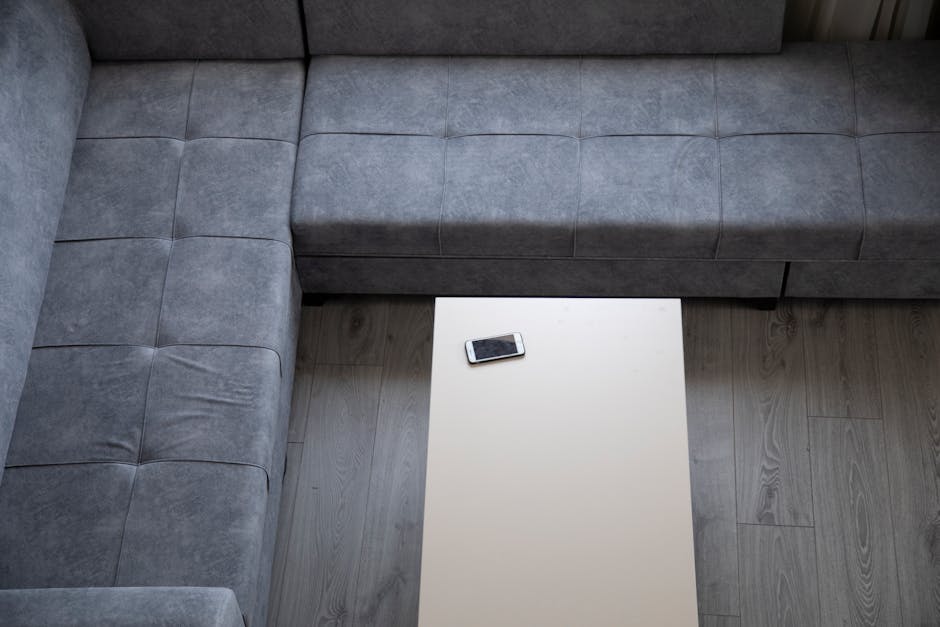
The before view showed flat, slightly grey-toned arms, patchy dullness on the seating, and a general "has been lived on" look. The after view was not brand-new furniture, and it did not pretend to be. But the sofa looked brighter, the fabric tone was more even, the odour was reduced, and the room felt fresher as soon as you walked in. The owners kept it, which in this sort of case is usually the sensible outcome.
What made the result worthwhile was not perfection. It was the balance between improvement, cost, and practicality. That is the part many people miss. A good sofa clean does not need to erase every sign of life. It needs to restore the best possible condition for the fabric you already own.
Practical Checklist
Use this quick checklist before booking or attempting a sofa clean:
- Confirm the fabric type if you can.
- Look for care labels or manufacturer guidance.
- Note any old stains, pet areas, or spill marks.
- Take clear photos in good light before cleaning.
- Clear cushions, throws, and small items from the area.
- Ask how drying time will be handled.
- Check whether pre-treatment is included.
- Ask what happens if a stain does not fully lift.
- Make sure the room can be ventilated afterwards.
- Plan not to use the sofa too soon after cleaning.
Simple list, but useful. If half of these boxes are ignored, the clean can still happen, of course, but the end result is more likely to be uneven or disappointing. And nobody wants that after rearranging the room and moving the coffee table twice.
Get a free quote today and see how much you can save.
Conclusion
A strong Willesden Green Brent sofa cleaning before and after case study should do more than show a dramatic photo. It should help you understand the process, judge the realism of the result, and decide whether cleaning is the right step for your sofa. In many homes, the answer is yes. If the structure is sound and the upholstery is simply dulled by everyday life, a careful clean can make a surprisingly meaningful difference.
The big lesson is this: good upholstery cleaning is part technique, part judgement, and part expectation management. Get those three right and the results can be genuinely satisfying. Not fake-new. Just properly refreshed, which is often exactly what the room needed.
If your sofa has been bothering you for a while, maybe this is the nudge to sort it out. Small improvements can change how a whole room feels, and that is a quietly brilliant thing.